
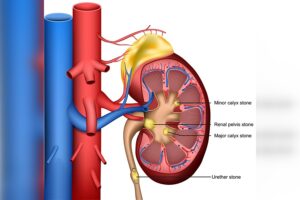
Kidney Stones – What I Want Every Patient to Know
Kidney stones are among the most painful conditions I treat in my urology practice. Many patients arrive in severe discomfort, unable to sit still because of the pain.Kidney stones develop when minerals and salts present in urine crystallize and form hard deposits inside the kidneys. These stones may remain in the kidney or move into the urinary tract, causing intense pain.

Common Symptoms I See in Patients
- Severe pain in the side or lower back
- Pain while urinating
- Blood in urine
- Nausea or vomiting
- Frequent urge to urinate
- Fever if infection develops
Why Kidney Stones Are Becoming More Common
One major reason is poor hydration. Many people simply do not drink enough water. Other contributing factors include:
- Excess salt intake
- Processed and junk foods
- Obesity
- Family history
- Certain metabolic disorders
In hot climates, dehydration increases the risk even further.
Treatment Options Available Today
Fortunately, treatment for kidney stones has advanced significantly. Depending on the patient’s condition, I may recommend:
- Medications
- Increased fluid intake
- Laser stone removal
- Endoscopic procedures
- Shock wave therapy
My Advice for Prevention
If you have had one kidney stone, you are at higher risk of developing another. I always advise my patients to:
- Drink adequate water daily
- Reduce salt intake
- Avoid excessive sugary beverages
- Follow dietary recommendations
- Attend regular follow-ups if stones recur
In hot climates, dehydration increases the risk even further.
FAQs
What is the most common cause of kidney stones?
Dehydration and inadequate water intake are among the leading causes.
Can kidney stones pass naturally?
Small stones may pass naturally, while larger stones often require treatment.
Is laser treatment safe for kidney stones?
Yes. Laser stone treatment is safe, effective, and commonly performed.
How can I prevent kidney stones?
Proper hydration and dietary modifications play an important role.
